Presentation to Mehndi (Henna) Plans
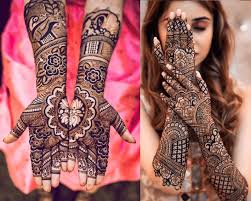
Mehndi, also known as henna, could be a frame of body craftsmanship that has been practiced for centuries in different societies, especially in South Asia, the Center East, and North Africa. It includes applying glue made from the powdered clears out of the henna plant (Lawsonia inermis) to the skin, making complex and wonderful plans. Once the glue dries and is expelled, it clears out behind a transitory reddish-brown recolour that can final for a few days.
Social Centrality of Mehndi Celebrations:
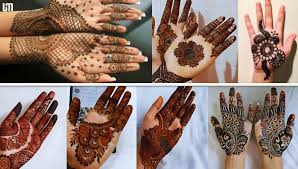
Mehndi is a necessary portion of weddings, celebrations (like Eid, Diwali, and Karva Chauth), and other uncommon events.
Imagery:
It symbolizes delight, excellence, and great good fortune. In weddings, it speaks to the bond of cherish and is regularly connected amid the Mehndi ceremony, a pre-wedding ritual.
Recuperating Properties:
Henna is additionally known for its cooling properties and is some of the time utilized to alleviate the skin.
Sorts of Mehndi Plans Indian Mehndi:
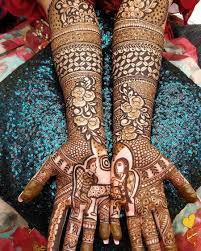
Known for its perplexing designs, fine lines, and point-by-point themes like peacocks, blossoms, and paisleys.
Arabic Mehndi:
Highlights strong, huge botanical designs with less detail and more open spaces.
Pakistani Mehndi:
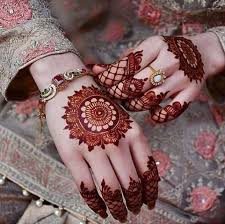
Combines components of Indian and Arabic plans, frequently with thick designs and shading.
Moroccan Mehndi:
Geometric designs and shapes are regularly motivated by conventional tile work.
Western Mehndi:
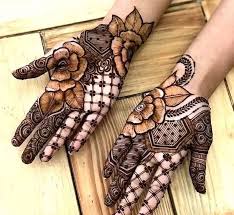
Cutting-edge, moderate plans with theoretical designs and personalised components.
Key Components of Mehndi Plans Botanical Designs:
Blooms take off, and vines are the foremost common themes.
Paisley (Mango):
A teardrop-shaped plan is frequently filled with perplexing subtle elements.
Peacock Themes:
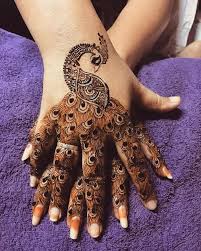
Symbolising magnificence and elegance, peacock plans are prevalent in Indian Mehndi.
Geometric Designs:
Lines, dabs, and shapes are organised in symmetrical or theoretical designs.
Mandala Plans:
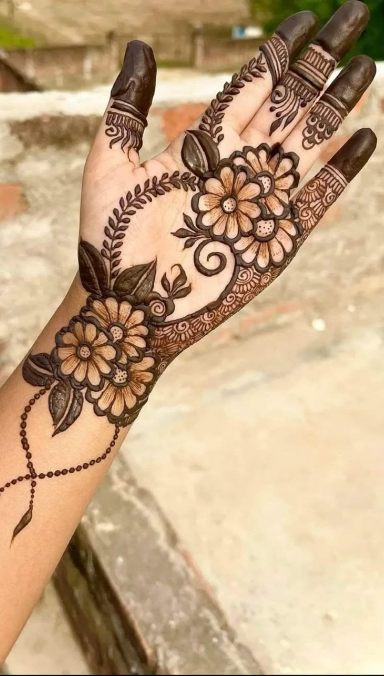
Circular, symmetrical designs are regularly utilized as central focuses.
Application Prepare Planning:
The henna glue is arranged by blending the henna powder with water, lemon juice, and fundamental oils (like eucalyptus or tea tree oil) to improve the color.
Application:
The paste is connected employing a cone or implement bottle. Plans are drawn freehand or with stencils.
Drying:
The paste is cleared out to dry for a few hours to permit the recolour to be created.
Evacuation:
Once dry, the glue is scratched off, uncovering the recoloured plan.
Tips for Tenderfoots
Begin with straightforward plans and continuously move to more complex designs.
Hone on paper is sometimes recently applied on the skin.
Utilize a fine-tipped cone for superior control and exactness.
Permit the glue to dry totally for a darker and longer-lasting recolour.
Here are a few simple and lovely Mehndi (Henna) plan thoughts you can attempt for hands, feet, or both. These designs are idealize for tenderfoots or anybody searching for straightforward however exquisite designs:
1. Flower Designs Plan:
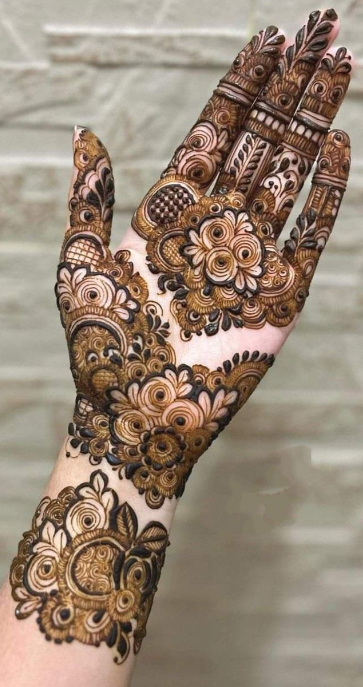
Little blossoms with clears out and vines. How to Do: Begin with a little speck (center of the bloom) and draw petals around it. Include basic clears out and interface them with lean, bent lines. Situation: Fingers, back of the palm, or around the wrist.
2. Paisley (Mango) Plan:
Classic paisley shapes filled with specks, lines, or little blooms. How to Do: Draw a tear shape (mango) and fill it with straightforward designs like stripes, dabs, or minor blooms. Situation: Fingers, sides of the palm, or as a central theme on the back of the hand.
3. Mandala Fashion Plan:
Circular patterns with symmetrical plans. How to Do: Begin with a little circle within the center and include layers of petals, dabs, and lines around it. Situation: Back of the palm or as a central point on the feet.
4. Finger Plans Design:
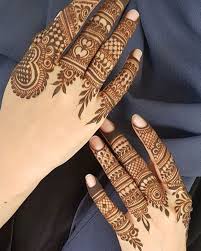
Basic lines, specks, or little blooms on each finger. How to Do: Draw a vertical line on each finger and include little designs like dabs, takes off, or minor blossoms along the line. Arrangement: Fingers as it were, for a moderate see.
5. Wrist Band Plan:
A bracelet-like plan with blossoms, takes off, or geometric designs. How to Do: Draw a thick band around the wrist and fill it with little designs like specks, crisscrosses, or blossoms. Arrangement: Wrist zone, amplifying somewhat onto the hand.
6. Sun and Moon Plan Plan:

A little sun or moon theme with beams or stars. How to Do: Draw a bow moon or a sun with basic beams and include little stars or dabs around it. Situation: Back of the palm or close the wrist.
7. Verdant Vines Design:
Simple vines with take-off and little blooms. How to Do: Draw a bent line and include a little clear out along it. You’ll also include minor blooms for additional detail. Arrangement: Fingers, sides of the palm, or around the wrist.
8. Peacock Quill Plan:

A straightforward peacock quill with negligible points of interest. How to Do: Draw a long, bent line for the stem and include little tear shapes along the sides. Include dabs or lines for specifying. Arrangement: Back of the palm or as a central point on the feet.
9. Geometric Design Plan:
Triangles, precious stones, or lines organised in a symmetrical design. How to Do: Utilize straight lines and shapes to form an advanced, moderate plan. Arrangement: Back of the palm or fingers.
10. Heart Plan Plan:

A little heart filled with designs like dabs, lines, or blooms. How to Do: Draw a heart shape and fill it with basic plans. Include vines or clears out around it. Arrangement: Back of the palm or close the wrist. Tips for Apprentices: Practice on paper, to begin with, to induce comfortable with the designs. Utilize a fine-tipped henna cone for way better control. Keep the plan basic and symmetrical for a clean see. Permit the henna to dry totally for a darker recolour. These plans are idealize for celebrations, weddings, or casual events. Let me know in case you’d like more nitty gritty enlightening for any of these! 😊