Indian henna plans
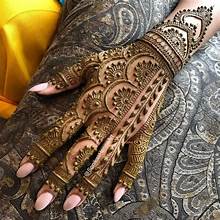
Indian henna plans, also known as Mehndi, are perplexing designs connected on the skin employing a glue made from henna clears out. These plans are profoundly established in Indian henna culture and are commonly utilized in weddings, celebrations (like Karva Chauth and Diwali), and other celebrations.
Prevalent Indian Henna Plans:
1. Conventional Bridal Mehndi
It covers hands and feet with expanded Indian henna designs.
Highlights peacock themes, botanical vines, paisleys (mango themes), and complicated lace-like subtle elements.
It often includes hidden components just like the groom’s title or sentimental images.
2. Arabic-Inspired Indian henna
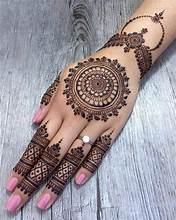
Employments striking botanical designs and open spaces.
Less thick than conventional Indian henna but similarly rich.
3. Indo-Western Combination
Combines conventional Indian henna with advanced components like geometric shapes, moderate lines, and negative space craftsmanship.
4. Rajasthani & Gujarati Fashion
Highlights fine lines, nitty gritty peacocks, and thick flower designs.
Common in celebrations and pre-wedding ceremonies.
5. South Indian Bridal Mehndi
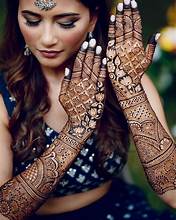
Employments thicker lines and temple-inspired themes.
Frequently incorporates lotus and kolam-inspired designs.
6. Finger & Ring Mehndi
Centers on sensitive finger plans with rings and bracelets.
Perfect for little social occasions or moderate looks.
7. Modern Sparkle & Jewels Mehndi
Improved with sparkle, rhinestones, or coloured Indian henna for a glitzy touch.
Common Henna Components:
✔ Paisleys (Mango themes) – Symbolise richness and good fortune.
✔ Botanical Vines & Clears out – Speak to delight and modern beginnings.
✔ Peacocks – Symbolize excellence and elegance.
✔ Mandalas & Sun Themes – Signify eternity and otherworldly existence.
✔ Specks & Bind Designs – Include fragile enumerating.
Would you like a particular plan for an event? I can offer assistance to portray or indeed portray one for you!
1. Conventional Bridal Mehndi
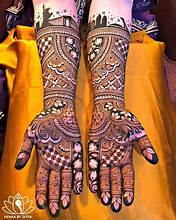
Conventional Indian Bridal Mehndi:
Style & Imagery
Conventional bridal henna is the foremost expand and important frame of Mehndi, covering the hands, arms, feet, and legs with complicated plans. It symbolizes cherish, thriving, and favours for the bride’s hitched life.
Key Highlights of Conventional Bridal Mehndi
1. Full-Hand & Arm Scope (Haath Pilaai)
Palm:
A mandala or sunburst plan is regularly the centerpiece.
Fingers:
Sensitive bind designs, vines, and little florals extend to the fingertips.
Back Hand & Arms:
Peacocks, paisleys, and flower cascades stream richly.
2. Covered up Components (Groom’s Title & Sentimental Images)
The groom’s title or initials are cleverly woven into the plan (in some cases as a challenge for him to discover!).
Hearts, lovebirds, or a couple’s outline may be included.
3. Typical Themes
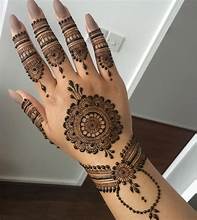
Peacock – Magnificence, elegance, and great good fortune.
Paisley (Mango theme) – Ripeness and plenitude.
Flower Vines – Development and interminable cherish.
Swans or Birds – Dependability and concordance.
4. Feet & Leg Plans (Payal Mehndi)
Lower legs:
Overwhelming specifying taking after adornments (like a henna Payal).
Toes & Feet:
Flower clusters, paisleys, and latticework coordinate the hands.
Prevalent Styles of Bridal Mehndi
1. Mughlai Mehndi
Regal, thick designs motivated by Mughal craftsmanship.
Jaal (net-like) plans covering the whole hand.
2. Rajasthani Bridal Mehndi
Thick diagrams with fine internal enumerating.
Elephants, Kalash (pots), and conventional images.
3. South Indian Bridal Mehndi
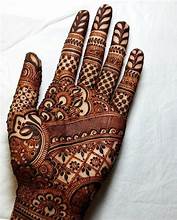
Bolder lines, sanctuary themes, and lotus plans.
4. Advanced Combination Bridal Mehndi
Combines conventional components with modern holes or sparkle emphasizes.
Bridal Mehndi Arrangement Thoughts
Range Plan Components
Palm Mandala, sunburst, botanical center
Fingers Rings, fragile vines, modest paisleys
Back Hand Peacock, cascading blooms, jail work
Wrists & Arms Bridal bracelet themes, amplified vines
Feet & Lower legs Henna payal, toe caps, botanical clusters
Master Tips for Bridal Mehndi
✔ Dull Recolor:
Apply a sugar-lemon blend after drying for a more profound color.
✔ Life span:
Dodge water for 12+ hours to let the recolor set.
✔ Touch-Ups:
Utilize a cone for minor fixes sometime recently at the wedding.
Would you like a particular plan outline or motivation for a bridal see?
2. Arabic-Inspired Mehndi
Arabic-Inspired Mehndi:
Strong, Streaming & Exquisite
Arabic henna designs are known for their striking diagrams, huge botanical themes, and liberal utilization of negative space, making a striking however smooth see. Not at all like conventional Indian bridal mehndi (which is thick and complex), Arabic plans center on streaming designs, openwork, and a looser stylish.
Key Highlights of Arabic-Inspired Mehndi
1. Streaming, Natural Designs
Huge, strong petals and takes off overwhelm the plan.
Clearing bends and vines that amplify over hands and feet.
Less thickness, more breathing space between components.
2. Signature Components
Larger than average Roses & Lotus Blooms – The central focus of the plan.
Vines & Scalloped Edges – Make a sensitive lace-like impact.
Hanging Themes – Regularly seen on the strike, cascading like gems.
3. Negligible Finger Scope
Not at all like Indian bridal mehndi (which covers each finger), Arabic plans regularly take off fingers mostly brightened or with basic emphasis.
Ring-style groups or single flower themes on fingers.
4. Well known Situations
Hands:
Full palm + strike with a strong centerpiece.
Lower arms:
Expanding vines for an stretched see.
Feet:
Lower leg bracelets + toe-tip plans.
Sorts of Arabic Mehndi Plans
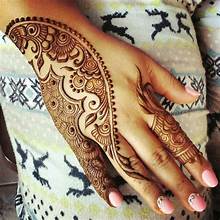
1. Classic Botanical Arabic
Expansive blossoming blossoms associated by lean, streaming vines.
Illustration:
A enormous rose on the palm with takes off spreading outward.
2. Moroccan-Inspired Arabic
Geometric touches (like precious stones & crisscrosses) blended with florals.
Prevalent in lower leg and wrist plans.
3. Shaded/3D Arabic Mehndi
Employments dim and light henna layers to make a shadow impact.
Gives a tattoo-like profundity.
4. Modern Arabic Combination
Combines Arabic florals with cutting edge components (like negligible lines or diamond complements).
Arabic vs. Indian Mehndi:
Fast Comparison
Include Arabic Mehndi Indian Bridal Mehndi
Thickness More open space Greatly point by point, full scope
Themes Striking blossoms, vines Peacocks, paisleys, mandalas
Fingers Negligible plans Completely secured with complicated designs
Fashion Free-flowing, loose Organized, typical
Best Events for Arabic Mehndi
✔ Weddings (for a advanced bride)
✔ Celebrations (Eid, Diwali, etc.)
✔ Casual occasions (parties, mehndi evenings)
✔ Bridal side-hand plans (combined with Indian mehndi)
Professional Tips for Arabic Mehndi
Utilize a thick cone for striking diagrams.
Keep skin moisturized some time recently application for smoother stream.
Include sparkle or jewels for additional glam (prevalent in Inlet styles).
Would you like a particular Arabic plan portray or situation thought?
3. Indo-Western Combination
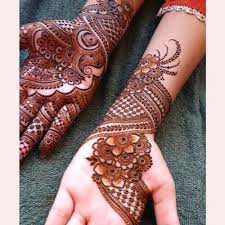
Indo-Western Combination Mehndi:
Where Convention Meets Cutting edge Edge
Indo-Western henna mixes classic Indian henna themes with contemporary aesthetics, making strong, imaginative, and unusual plans. Idealize for the cutting edge bride or somebody who needs a interesting turn on conventional mehndi.
Key Highlights of Indo-Western Combination Mehndi
1. Moderate However Statement-Making
Less thickness, more negative space – Not at all like conventional bridal mehndi, it doesn’t cover the whole hand.
Clean lines and geometric shapes (triangles, jewels, dabs) blended with florals.
2. Topsy-turvy & Theoretical Designs
One-sided plans (e.g., as it were the external edge of the hand).
Uneven themes (like a expansive bloom on one side and sensitive vines on the other).
3. Advanced Components
Striking traces + fine enumerating (like tattoo-inspired craftsmanship).
Metallic complements (gold/silver thwart, sparkle, or stick-on jewels).
Half-n-half plans (one hand conventional, the other advanced).
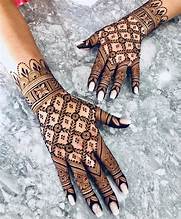
4. Flighty Situations
Finger less mehndi (center on wrist, palm, or strike).
Arm groups & sleeves (like Indian henna tattoos).
Lower legs with anklet plans (rather than full feet scope).
Prevalent Indo-Western Combination Styles
1. Geometric Combination
Mandala parts, sharp lines, and dot work mixed with delicate florals.
Illustration:
A triangle grid with a single huge paisley.
2. Bohemian (Boho) Mehndi
Plumes, dreamcatchers, and hamsa themes blended with Indian Indian henna vines.
Well known for festival-goers and goal weddings.
3. Negative Space Mehndi
Skin gets to be portion of the plan (e.g., a flower diagram with purge centers).
Makes an optical figment impact.
4. Metallic & Jeweled Indian henna
Gold/silver Indian henna or thwart highlights certain segments.
Stick-on precious stones for a bridal bling impact.
5. Single Articulation Theme
One expansive peacock, bloom, or mandala on the strike with negligible filler Indian henna.
Indo-Western vs. Conventional:
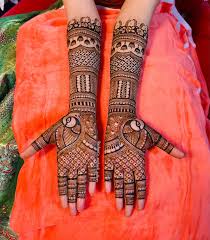
Speedy Comparison
Include Indo-Western Mehndi Conventional Bridal Mehndi Indian mehndi
Scope Specific, dispersed out Full hand & feet immersion
Themes Blend of geometric + florals Peacocks, paisleys, vines
Fashion Tense, imaginative, deviated Symmetrical, complex
Best For Present day brides, gatherings, parties Weddings, social occasions
Best Events for Indo-Western Indian henna
✔ Cocktail/Reception occasions (matched with a lehenga or outfit)
✔ Goal weddings (beachy, boho vibes)
✔ Celebrations like Diwali & Karva Chauth (once you need something new)
✔ Pre-wedding shoots (for a fashion-forward see)
Master Tips for Indo-Western Mehndi
✧ Explore with shading for a 3D impact.
✧ Utilize white or coloured henna for a strong differentiate.
✧ Combine with wrist adornments to upgrade the see.
Need a Custom Plan Thought?
Would you like:
A moderate bridal combination outline?
A boho-chic Indian henna concept?
A geometric + botanical combo for a party?
Let me know, and I’ll make a visual thought for you!
4. Rajasthani & Gujarati Fashion
Rajasthani & Gujarati Mehndi:
Illustrious, Strong & Stunningly Nitty gritty
Rajasthani and Gujarati henna styles are among the foremost expound and conventional shapes of Indian mehndi. Known for their thick traces, thick Indian henna designs, and social themes, these plans are a staple at weddings and celebrations.
Key Highlights of Rajasthani & Gujarati Mehndi
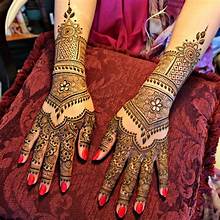
1. Thick Traces with Complex Fillings
Strong borders characterize the plan, filled with fine subtle elements interior.
Makes a stained-glass impact with tall differentiate.
2. Signature Motifs & Images
Peacocks & Mor – Symbolising beauty and magnificence.
Elephants & Steeds – Speaking to sovereignty (common in Rajasthani mehndi).
Paisleys (Keri) – A classic Indian henna theme for thriving.
Flower Jaal (Net Design) – Covers expansive ranges with fragile lace-like work.