Presentation:
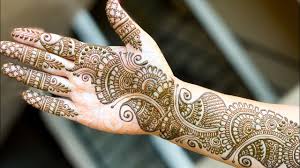
One of the characterizing highlights of Arabic mehndi is its utilization of thick, strong designs that deliver the plan a staggering see. That is, these draws regularly shape the basis of the complete plan, with less accentuation on filling within the spaces. In this plan, the diagram of blooms, etc., is thick and gently filled in. In this way, after washing, the plan takes a lovely shape.
Wonderful plans with blooms and clears out:
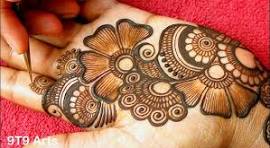
Plans are frequently propelled by nature, such as bridal bouquets, which frequently incorporate blossoms, takes off, and vines. These components are ordinarily outlined in a free-flowing fashion, which includes the by and large beauty of the plan. Such plans seem exceptionally rich.
Cutting edge and offbeat plan:
Not at all like conventional Indian henna, which frequently covers both hands symmetrically, Arabic henna is as a rule connected to one side of the hand or lopsidedly. Its full plan gives it a cutting-edge and chic see. It employments thick plans.
Full Hand Mehndi Plans:
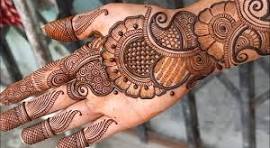
Arabic henna is known for its moderate approach. Ordinarily, more plans are denser, with more open spaces making them more full plans, making them perfect for those who favor a more casual see. This plan is for the most part chosen for brides.
Straightforward and Lovely Mehndi Designs:
Arabic mehndi is idealize for those who appreciate straightforwardness and excellence. This plan is preferred by individuals of a basic nature as its strong, negligible plan makes it appropriate for any event, be it a wedding, celebration common gathering, or Eid. This fashion is additionally perfect for those who favor a more modern see because it can effortlessly be custom-fitted to suit individual taste. It can have a filled plan or an in-part filled plan.
Choosing Arabic Mehndi for Wedding:
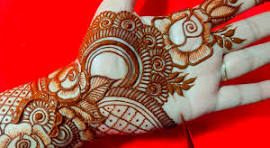
Furthermore, Arabic henna is fast to apply, making it an incredible choice for last-minute events. The magnificence of the bride can be improved with Arabic mehndi plans. The plans are not as time-consuming as other styles, however, they make an enduring impression with their shocking appearance. Arabic henna is ordinarily chosen for events like weddings.
Arabic Mehndi Plans and Indian Mehndi:
The aesthetics of henna have captivated societies around the world for centuries, with Arabic henna plans and Indian henna standing out as two of the foremost well-known styles. Made utilizing the characteristic color from the henna plant, these wonderful designs embellish the hands, feet, and other parts of the body for extraordinary events and celebrations.
Brides apply henna on their hands and feet in the event of a wedding. The wealthy history and social centrality behind these plans have made them a well-known choice for conventional occasions and advanced mold articulations.
Special Arabic Mehndi Plans:
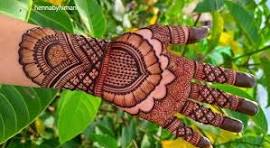
Arabic mehndi plans and Indian mehndi each have their kind of a kind highlights and offers. Even though both show excellent designs and typical shapes, they contrast in their by and large aesthetics and strategies of application. This article appears in the beginning, plan components of both Arabic and Indian mehndi styles.
By investigating these angles, peruses will pick up a more profound understanding of each convention and be way better prepared to select the culminated henna fashion that suits their individual taste and social inclinations.
What is the craftsmanship of Mehndi called in Arabic?
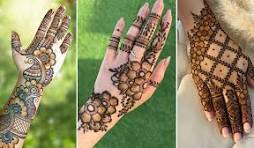
The craftsmanship of henna, known in Arabic as “Al-Hina,” has profound roots in Center Eastern and North African societies. Its utilization dates back 5,000 a long time, Egypt is made from the henna plant (Lawson interims). In Arabic conventions, henna is critical in ceremonies and ceremonies.
It is considered an image of endowments, particularly in wedding ceremonies. Individuals in India utilize henna for different events. The hone of beautifying the body with henna plans spread all through the locale, becoming a necessary portion of social and devout ceremonies. More significance is given to Arabic mehndi plans.
Genuine Character of Indian Mehndi:
In India, the utilization of henna, locally known as “henna”, features a wealthy history dating back to antiquated times.
A few researchers accept that the Mugfuls brought the craftsmanship shape to India within the 12th century, centuries after its utilization within the Center East and North Africa. Be that as it may, Indian writings specify the utilization of henna as early as 1500 BC. Its utilization has ended up more broad over time, getting to be profoundly imbued in Indian culture, getting to be a vital component of different ceremonies and ceremonies.
Arabic and Indian Conventions of Mehndi:

Mehndi has awesome social noteworthiness in both Arabic and Indian conventions. In Arabic societies, it is customarily utilized to paint endowments on the skin time recently in Muslim wedding ceremonies. Individuals consider it a sign of joy. It is additionally an imperative portion of Eid celebrations. Henna Night, or “Lailatul Hanna,” could be an uncommon pre-wedding custom in numerous Middle Eastern nations. On this night, girls apply henna to their hands.
Employments of henna completely different societies:
In Indian culture, henna is a vital portion of weddings, celebrations, and other promising events. Individuals utilize henna in their cheerful events because it is seen as an image of excellence, bliss, and great fortune. Individuals utilize henna in ceremonies etc. The henna ceremony, frequently went with by sangeet, is an imperative pre-wedding custom.
The obscurity of henna color is accepted to demonstrate the control of adore in marriage. Utilizing it increases happiness.
Mehndi symbolizes great luckiness and bliss:
Both societies accept that henna brings great good fortune and bliss. It isn’t fair body craftsmanship but a wealthy social expression with an entirety dialect of images and implications. From weddings to devout celebrations, henna proceeds to play a vital part in celebrating life’s vital minutes in both Arabic and Indian conventions.
Arabic plans with expansive blossoms and vines:
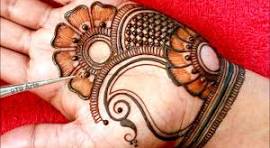
Arabic mehndi plans are celebrated for their striking and streaming patterns. These plans more often than not highlight huge flower themes, takes off, vines, and geometric shapes. Thick and large flower plans are exceptionally charming. It makes an astonishing visual impact, with the differentiation between the wonderful plan and the bare skin including the general request.
Are you trying to find strike Mehndi designs? You’re at the correct place. Mehndi may be a prevalent convention in India, each young lady and ladylike apply mehndi on their hands or their legs, so ladies for the most part like posterior mehndi plan to apply it on their backhands to see wonderful.
Highlights of Arabic Mehndi:
An imperative include of Arabic mehndi plans is their center on the palm. The features of this plan are that it includes excellence to the plan.
Not at all like Indian henna, which regularly amplifies to the wrists and past, Arabic henna as a rule centers on enhancing the palm zone. This approach comes about in a more modern see, which has picked up ubiquity around the world. Applying these plans moreover requires expertise.
Utilizing Distinctive Colors in Arabic Plan:
Arabic mehndi specialists frequently include an additional component to upgrade their plans. These can incorporate colors, radium stickers, and indeed sparkle or jewels, plans can also utilize diverse colors after the mehndi is done which gives the designs an additional edge and makes them stand out more. But it is utilized by exceptionally few individuals.
Utilize Cones or Infusions to Make Mehndi Plans:
Arabic mehndi plans are celebrated for their strong and streaming designs. Specialists ordinarily utilize a plastic cone or Jacquard bottle to apply the henna paste. The henna glue is ready by pouring it into a plastic cone with an awfully fine tip, which makes the plan exceptionally modern. These devices permit exact control, making a difference in making perplexing plans with ease. Henna glue utilized in Arabic fashion is frequently blended with fundamental oils such as lavender or tea tree to make strides in the quality of the recolour and give a wonderful smell. There’s a feeling of joy after applying henna.
Striking Arabic Mehndi Plans:
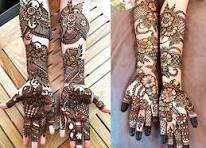
Both striking Arabic mehndi plans and Indian henna have had a significant impact on the world of body craftsmanship, each advertising a special tasteful and social noteworthiness. Choosing between these styles regularly comes down to individual inclination, with Arabic plans engaging those who lean toward striking mehndi plans, whereas Indian mehndi draws in those who appreciate excellent conventional themes.
In any case of the fashion chosen, both conventions give excellent ways to beautify the body and celebrate extraordinary minutes. Strong plans are used by brides.
Conclusion:
In rundown, understanding the distinction between Arabic and Indian henna styles permits people to create an educated choice that best suits their tastes and events. Whether choosing the moderate class of Arabic designs or the expounding narrating of Indian henna, the art of henna may be a powerful tool for self-expression and social celebration.
Arabic mehndi plan may be an exceptionally excellent plan, this plan is utilized by girls on events like weddings and Eid. This immortal craftsmanship shape proceeds to advance, combining conventional strategies with modern influences to make staggering body craftsmanship that reverberates with individuals of all societies. It moreover highlights the Arabic plan within the way it is utilized.