
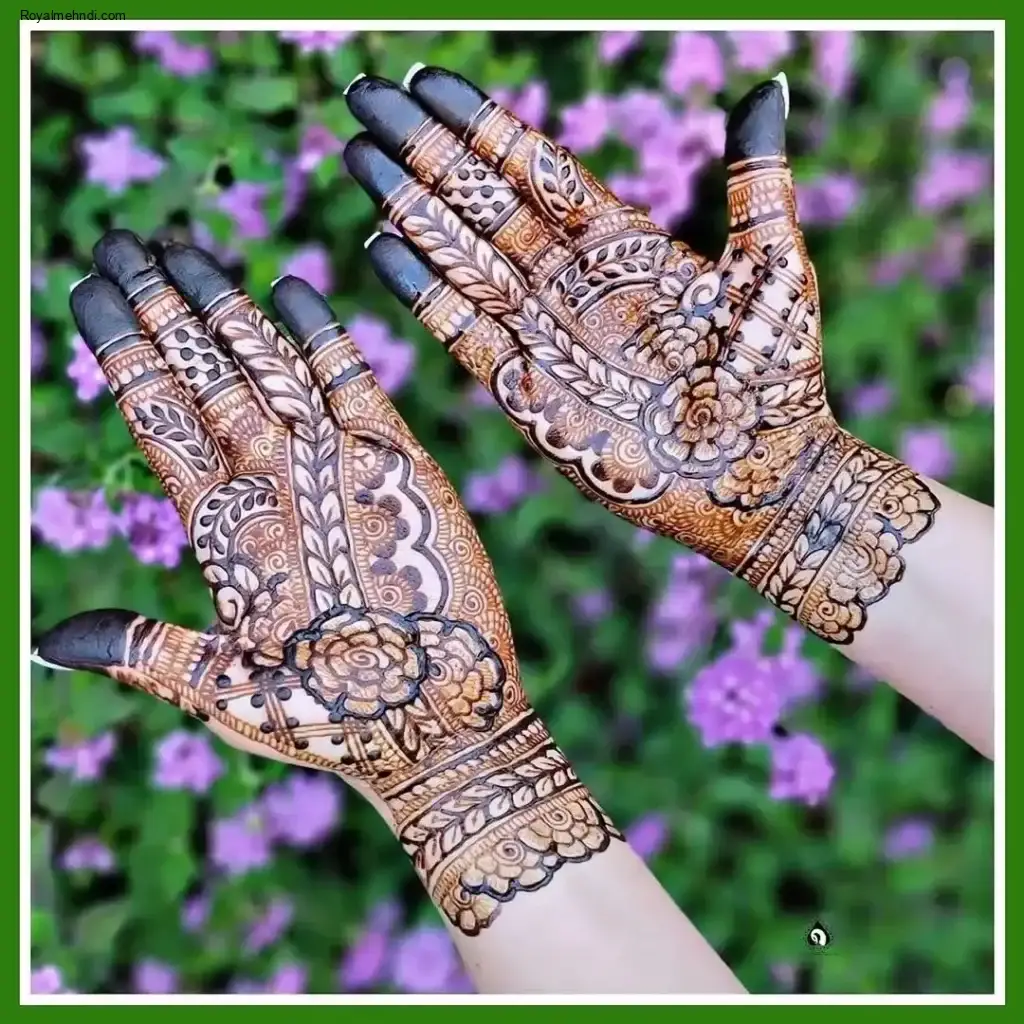
palm Mehndi Design
palm mehndi Here’s a straightforward however rich palm mehndi plan you’ll attempt:
palm mehndi Plan Components:
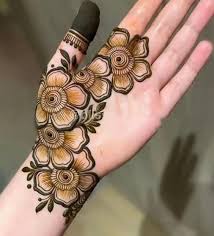
Botanical Themes – Little roses, petals, or daisies close to the base of the palm.
Vines & Clears out – Fragile inching vines amplifying toward palm mehndi fingers.
Paisley (Mango) Designs – Classic Indian-inspired paisleys for a conventional touch.
Bind Designs – Fine lines and dabs for a fragile, perplexing see.
Wrist Band – An enriching band around the wrist with little subtle elements.
palm mehndi Steps to Apply:
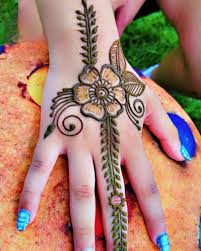
Begin from the center of the palm with a blossom palm mehndi or mandala.
Draw twirling vines amplifying toward the fingers.
Include little clears out, buds, or dabs along the vines.
Fill holes with minor specks or bind designs for a full see.
Diagram the wrist with an enhancing band (discretionary).
Tips:
✔ Utilize a fine-tip mehndi cone for exactness.
✔ Let it dry for 1-2 hours for a darker recolour.
✔ Dodge water for at slightest 6 hours after application.
Would you like a visual reference or a more point-by-point design?
Flower Themes
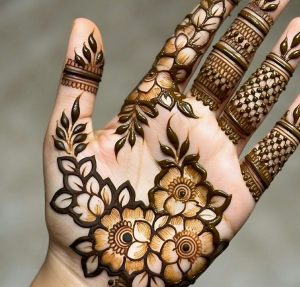
Here’s a nitty gritty breakdown of botanical themes for palm mehndi plans, besides situation tips and styling thoughts:
1. Sorts of Flower Themes for Palm Mehndi
A. Roses & Buds
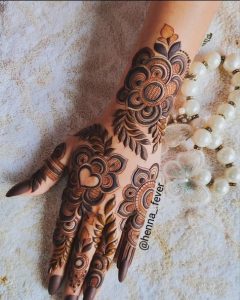
Fashion: Layered petals, half-blown roses, or minor buds.
Situation: Center of the palm, close the wrist, or as fillers between vines.
Pairings: Combine with takes off or twirls for an adjusted see.
B. Daisies/Sunflowers palm mehndi
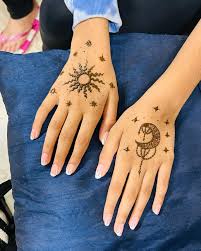
Fashion: Straightforward circular center with equally divided petals.
Situation: Fingertips or scattered around the palm for a perky vibe.
C. Lotus/Mandala Blooms

Fashion: Symmetrical, complex petals emanating outward.
Arrangement: Idealize for the center of the palm mehndi or as a wrist emphasize.
D. Moroccan-Style Geometric Florals

Fashion: Strong, tedious botanical designs with sharp lines.
Situation: Works well for moderate plans on the sides of the palm.
E. Jasmine/Petite Sprouts

Fashion: Minor clustered blossoms (awesome for fillers).
Arrangement: Along vines or around bigger themes.
2. How to Consolidate Botanical Themes
As a Central Point: Put an expansive blossom within the center with vines spreading out.
As Fillers: Utilize little sprouts to fill crevices between paisleys or vines.
As Finger Expansions: Let blooms “spill” from the palm mehndi onto fingers.
3. Master Tips for Botanical Mehndi
✔ Adjust: Blend expansive and little blossoms for profundity.
✔ Shading: Include dots/stippling interior petals for a 3D impact.
✔ Cutting edge Bend: Attempt open florals (outline-only blooms) for a modern see.
4. Visual Motivation
Would you like me to depict a step-by-step botanical design or recommend a full-hand palm mehndi plan combining these themes?
(Case: A palm with a central lotus + vine twists + scattered jasmine buds?)
Vines & Clears out
Here’s a nitty gritty direct on vines and clears out for palm mehndi plans, counting styles, situations, and master tips to raise your plan:
1. Sorts of Vines in Mehndi
A. Classic Wavy Vines
Fashion: Delicate, spiraled ringlets (like cursive “S” shapes).
Situation: Wrap around fingers or stream from wrist to palm.
Pairings: Include modest clear outs or buds at each bend.
B. Moroccan/Zigzag Vines
Fashion: Precise, geometric lines with sharp turns.
Situation: Extraordinary for strong, palm mehndi advanced plans along the palm’s edges.
C. Braided Vines
Fashion: Two parallel vines interlaced (typical of solidarity).
Situation: Center of the palm or as a wristband.
D. Streaming Scroll Vines
Fashion: Rich, calligraphy-like strokes with slow bends.
Arrangement: Amplify from a central bloom toward fingertips.
2. Leaf Plans to Combine with Vines
A. Conventional Paisley Takes off
Shape: Tear with a twisted tip (classic Indian fashion).
Utilize: Connect to vines or fill purge spaces.
B. Heart-Shaped Clears out
Fashion: Basic, symmetrical diagrams for a sensitive touch.
C. Fern/Feather Clears out
Fashion: Long, slim takes off with minor strokes (like a quill).
Utilize: Idealize for fingertip expansions.
D. Moroccan Bolt Takes off
Fashion: Moderate triangles or diamond-shaped clears out.
3. How to Combine Vines & Clears out
Run the show of Stream: Let vines actually “develop” from a central blossom or wristband.
Thickness Control: Maintain a strategic distance from overcrowding—space takes off equally.
Finger Highlights: Utilize vines to put through palm plans to finger mehndi.
4. Professional Tips for Shocking Vines
✔ Change Thickness: Utilize thick lines for vines + lean lines for takes off for differentiation.
✔ Speck Specifying: Include specks along vines or interior clear out for the surface.
✔ Negative Space: Remove crevices between vines to keep the plan breathable.
5. Test Situations
Wrist to Palm: A single vine slithering up with substituting takes off.
Side Swoop: Vines bending from the thumb base to the pinky.
Finger Outlines: Vines wrapping around fingers like rings.
Do you require a Visual?
Would you like me to portray a step-by-step vine design (e.g., how to draw a braided vine) or recommend a total plan format?
*(Illustration: A vine whirling from the wrist, part into 3 ringlets toward the fingers, each with heart-shaped clears out?)*
Paisley (Mango) Designs
Here’s a point-by-point direct-to-Paisley (Mango/Ambi) Design for palm mehndi, counting imagery, styles, and arrangement procedures:
1. The Paisley/Mango (Ambi) Theme
Beginning: Persian Both theme, popularised in Indian/Pakistani mehndi.
Imagery: Speaks to richness, forever, and divine vitality.
Shape: Tear with a twisted upper tip, taking after a mango or cashew.
2. Sorts of Paisley Plans for Palm Mehndi
A. Classic Filled Paisley
Fashion: Solid-filled with perplexing inward subtle elements:
Flower veins (lines inside the shape)
Speck clusters or stippling for surface
Peacock quill designs (for bridal plans)
B. Layout Paisley
Fashion: Sensitive open traces (idealized for moderate or modern plans).
C. Embellishing Paisley Varieties
Botanical Paisley: Filled with little blossoms or vines.
Moroccan Paisley: Geometric, precise elucidations.
Double-Layer Paisley: Layout + shadow impact for profundity.
3. Situation Thoughts for Palm
Wrist Band: A push of paisleys indicating upward.
Central Cluster: 3-5 paisleys emanating from the palm’s center.
Finger Emphasizes: Smaller than expected paisleys along the base of fingers.
Vine Integration: Paisleys connected to looking over vines.
4. How to Draw a Paisley – Step-by-Step
Draw the Bend: Begin with a reverse “C” shape.
Near the Tear: Interface the closes with a pointed tip.
Include the Twist: Draw a winding or snare at the best.
Enhance Interior:
Include parallel lines or waves for veins.
Fill with dabs, crosses, or modest blooms.
5. Professional Tips for Paisley Designs
✔ Shift Sizes: Blend expansive and little paisleys for cadence.
✔ Course Things: Point paisleys to take after hand bends (e.g., point toward fingers).
✔ Shading: Obscure the edges for a 3D impact.
6. Paisley Pairings palm mehndi
With Florals: Settle paisleys between roses or lotuses.
With Vines: Let paisleys dangle from rings.
With Mandalas: Utilize external emphasis for circular plans.
Visual Motivation Case
“A palm plan with a central mandala, encompassed by outward-facing paisleys, associated by vines with heart-shaped clears out.”
Would you like a full-hand paisley plan outline portrayal or tips about bridal-level paisley enumerating?
Bind Designs
Bind Designs for Palm Mehndi: Delicate & Intricate Designs
Lace-inspired mehndi includes female, rich, and illustrious touch-to-hand plans. These designs mirror the fine points of interest of bind texture, including sensitive lines, circles, and complex fillers.
1. Types of Bind Designs for Mehndi
A. Classic Bind Net
Plan: Interconnected fine lines shaping a web-like or fishnet design.
Arrangement: Fills crevices between bigger themes (e.g., florals, paisleys).
Best for: Bridal mehndi, strike plans.
B. Circled Bind (Chain Joins)
Plan: Little, associated circles taking after adornment chains.
Arrangement: Wristbands, finger rings, or as borders.
C. French Bind (Specked & Dashed)
Plan: Minor dabs and dashes shaping fragile bind surfaces.
Situation: Interior petals, around mandalas, or as shading.
D. Peacock Bind (Feather-Inspired)
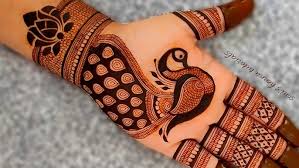
Plan: Fine, padded strokes with prolonged bends.
Arrangement: Fingertips or expansions from flower themes.
2. Where to Utilize Bind in Palm Mehndi?

✔ As Fillers – Between blooms, vines, or paisleys.
✔ As Borders – Around the wrist, fingers, or edges of the palm.
✔ As Shading – Interior themes (e.g., lace-filled petals).
✔ As Standalone Craftsmanship – Moderate lace-only plans (e.g., bind sleeves).
3. How to Draw Bind Designs?
Step 1: Layout the Base
Begin with a light portrayal of your primary themes (blooms, vines, etc.).
Step 2: Include Bind Enumerating
For Net Bind: Crisscross fine lines in jewel shapes.
For Circle Bind: Draw little associated “U” shapes.
For Dabbed Bind: Utilize minor dabs in symmetrical columns.
Step 3: Upgrade with Profundity
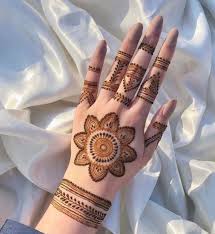
Thicken a few lines for differentiation.
Include micro-dots for additional complexity.
4. Master Tips for Bind Mehndi
✔ Utilize an Ultra-Fine Cone (0.2 mm tip) for accuracy.
✔ Keep It Adjusted – As well much bind can seem untidy.
✔ Combine with Negative Space – Let a few regions breathe.
5. Staggering Bind Mehndi Thoughts
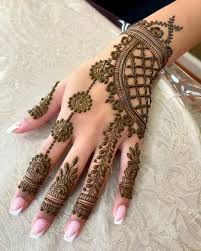
Bind Sleeve Wristband – A sensitive standalone plan.
Lace-Infused Florals – Petals filled with binders.
Fingertip Bind Rings – Little circles around fingers.
Would you like a step-by-step bind filler instructional exercise or a full-hand bind plan concept?